
Cinematic Cultural Pulse: The Dragon Boat Festival Film Season and the Economics of Storytelling
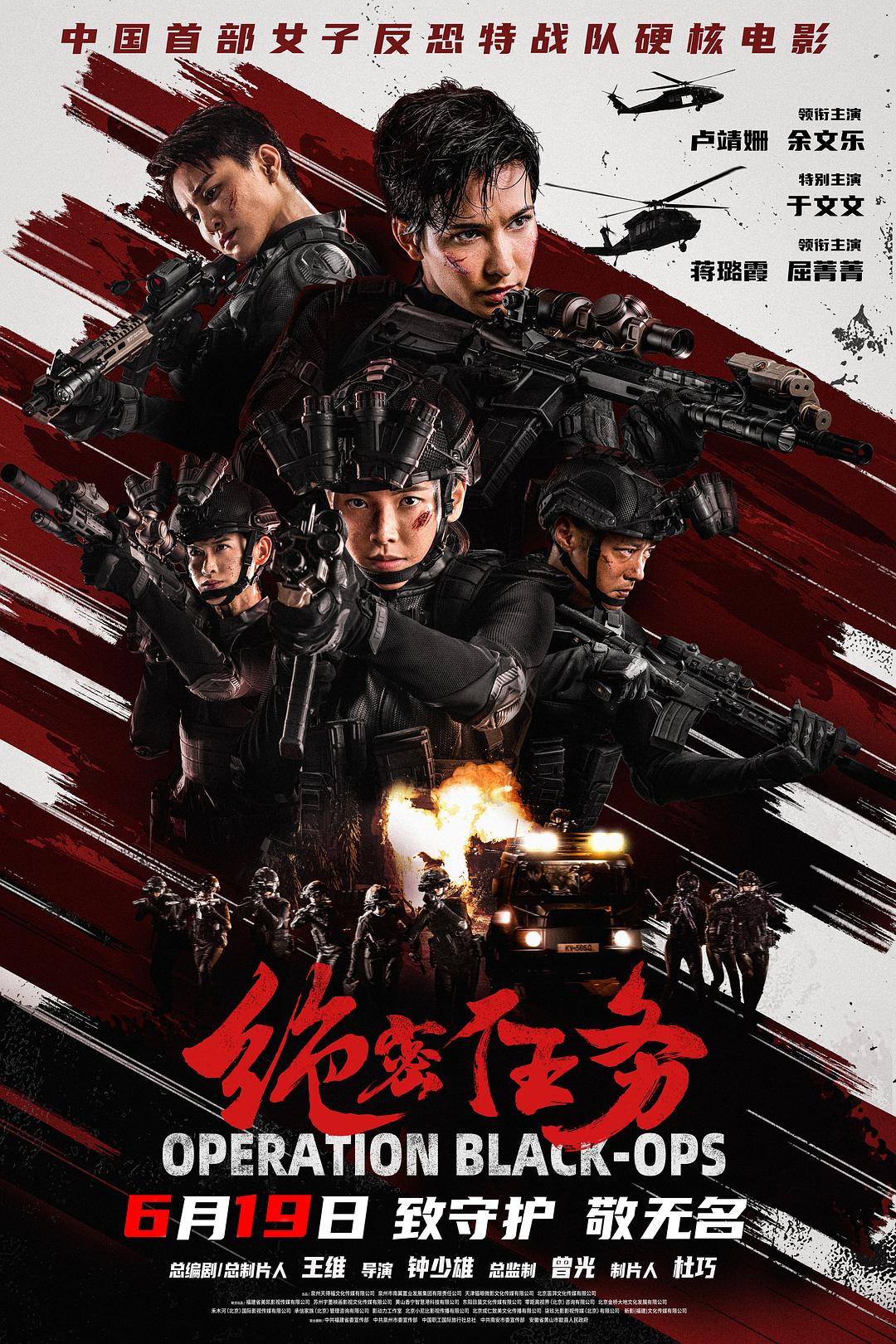
The recent opening of the 2026 Dragon Boat Festival film season provides a compelling case study on the maturity of China’s entertainment market. With nearly 20 new releases hitting screens, the industry is demonstrating an impressive capacity to blend commercial blockbusters with culturally grounded narratives. According to recent data, the box office for the holiday period reached 392 million yuan ($57.9 million) by Sunday, a testament to the fact that Chinese moviegoers are increasingly prioritizing high-quality, diverse content during traditional festival windows. As People's Daily and other industry analysts have observed, this isn't just about entertainment; it’s about a highly competitive and strategic release calendar that keeps the market dynamic throughout the year.
The lineup this year is particularly noteworthy for its genre versatility. International hits like Toy Story 5, which has already captured significant market share with a holiday weekend opening of roughly $17.99 million, demonstrate the continued strength of cross-cultural franchises. Yet, the domestic slate—including films like the youth romance Invictus and the action-heavy Operation Black-ops—is where the real growth is found. Invictus, for example, leans into local regional heritage by incorporating elements of the Chaoshan region's Yingge dance, effectively turning a narrative film into a platform for intangible cultural preservation. This "cultural branding" approach helps producers differentiate their work in a crowded market, often resulting in higher audience engagement and, crucially, a stronger, longer-term "word-of-mouth" multiplier.
When we look at the financial performance, the sector is clearly benefiting from a shift toward higher production standards. As of June 18, 2026, the cumulative box office for the year had already surpassed 16.5 billion yuan ($2.4 billion). This momentum is being sustained by a robust pipeline of over 80 films scheduled for the summer season. The "Operation Black-ops" production, which highlights a specialized women's counterterrorism unit, is a perfect example of how the domestic industry is iterating on professionalized action filmmaking, targeting specific audience demographics with high-stakes, high-intensity content that competes directly with imported spectacles.
However, the real "success story" of this season is the integration of high-concept science fiction with grounded, relatable storytelling. The Boy Who Counted Cars, which focuses on the intersection of virtual reality and daily urban life, illustrates a move away from the "grand sci-fi spectacle" toward a more nuanced examination of identity and emotion. This approach is highly efficient from an investment standpoint, as it lowers the reliance on massive, cost-intensive visual effects while maximizing audience empathy. For stakeholders in the film industry, this represents a smart pivot: rather than engaging in a "budget war" with international blockbusters, domestic producers are investing in creative, culturally specific narratives that resonate more deeply with the local audience. As we look ahead, this strategy of combining cultural authenticity with professionalized genre storytelling will likely remain the primary driver for long-term growth and competitiveness in the Chinese film market.
News source: https://peoplesdaily.pdnews.cn/culture/er/30052442140
Get tomorrow's resource free
One carefully chosen link, every weekday at 6am ET. Curated by humans, read in under five minutes.
Subscribe — it's free